Cross Collateral Loan: How Four Properties Financed a $3,175,000 Industrial Outdoor Storage Acquisition in Antioch, CA
In short
A seasoned real estate investor was acquiring an industrial outdoor storage property on 5 acres in Antioch, California, as part of a Reverse 1031 Exchange. Because the property would be held in a newly formed entity with no operating or financial history, the purchase called for a lender that underwrites to the real estate. Rubicon Mortgage Fund, LLC provided a $3,175,000 cross collateral loan secured by the Antioch property and three additional properties the borrower owns in Alameda, San Leandro, and Grass Valley. The added collateral allowed RMF to offer a larger loan amount than the Antioch property alone would support.
What is a Reverse 1031 Exchange?
In a standard 1031 Exchange, an investor sells a property first and then buys a replacement. A reverse 1031 exchange flips that order: the investor acquires the replacement property first and sells the relinquished property afterward.
Because the IRS does not allow a taxpayer to own both the old and new property at the same time within the exchange, the replacement property is typically purchased and “parked” with an exchange accommodation titleholder (EAT), usually a single-purpose entity formed by a qualified exchange company. Under the IRS safe harbor in Revenue Procedure 2000-37, the investor generally has:
- 45 days from the date the EAT acquires the replacement property to identify the property (or properties) being relinquished
- 180 days from that same date to complete the sale of the relinquished property and close out the exchange
Investors often use a Reverse Exchange when the right replacement property becomes available before their existing properties are ready to sell.
Rubicon Mortgage Fund, LLC does not provide tax or legal advice. Investors should consult a qualified intermediary, tax advisor, and attorney before structuring any 1031 Exchange.
The property: Industrial Outdoor Storage near the Antioch waterfront
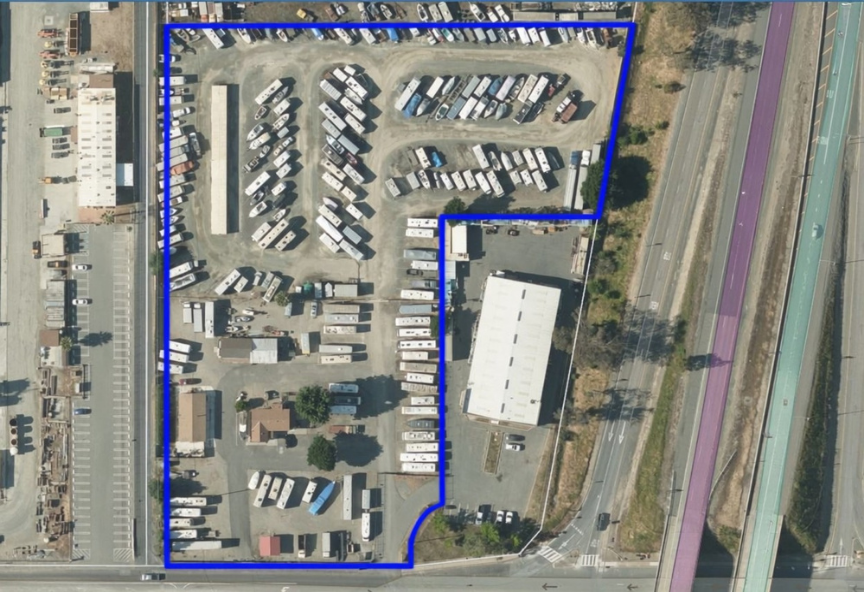
The replacement property is an industrial outdoor storage site in Antioch with approximately 7,500 square feet of improvements on 5 acres. It generates income from several sources on one parcel:
- Outdoor storage: boat, RV, and vehicle storage spaces
- Mini storage: enclosed storage units
- Residential: two single-family homes on the property, both occupied
Industrial outdoor storage is a niche asset class that depends heavily on location, access, and demand from local users. This site’s position near the port in Antioch supports steady demand for storage uses, and its mix of outdoor, enclosed, and residential income gave the property established cash flow at acquisition.
The challenge: financing a new entity with no history
In a Reverse 1031 Exchange, the replacement property is held in a brand-new entity created by the exchange company. That entity has no operating history, no tax returns, and no financial statements. For lenders that underwrite primarily to entity or borrower financials, this documentation gap can make a reverse exchange difficult to finance.
The borrower, a seasoned investor with a substantial portfolio, needed a lender that could evaluate the transaction on the strength of the real estate itself. He was referred to Rubicon Mortgage Fund, LLC by someone who had seen RMF close this type of loan before.
The solution: asset-based underwriting and a cross collateral loan
Asset-based underwriting addressed the new entity. Rubicon Mortgage Fund, LLC is an asset-based lender, so the loan decision rested on the real estate rather than the new entity’s financial history. The Antioch property’s location, established cash flow, and diversified income gave RMF a sound basis for the loan.
Cross collateralization supported a larger loan amount. A cross collateral loan is secured by more than one property. Instead of relying on a single asset, the lender records liens on several properties, and their combined value supports the loan. By adding three properties to the collateral package, RMF was able to offer a larger loan amount than the Antioch property alone would support.
The additional collateral included the two properties the borrower identified as part of the exchange:
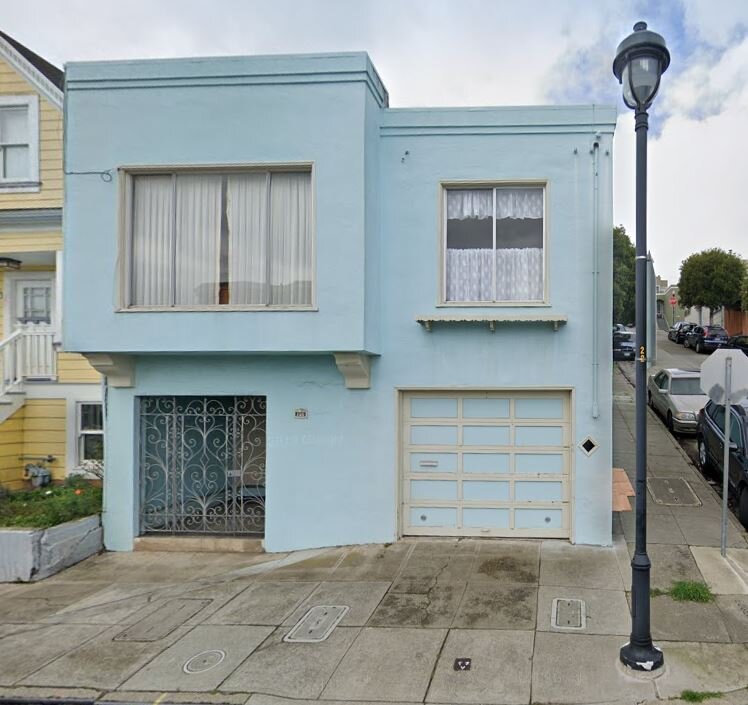
- A triplex in Alameda (2,190 SF on a 7,500 SF lot)
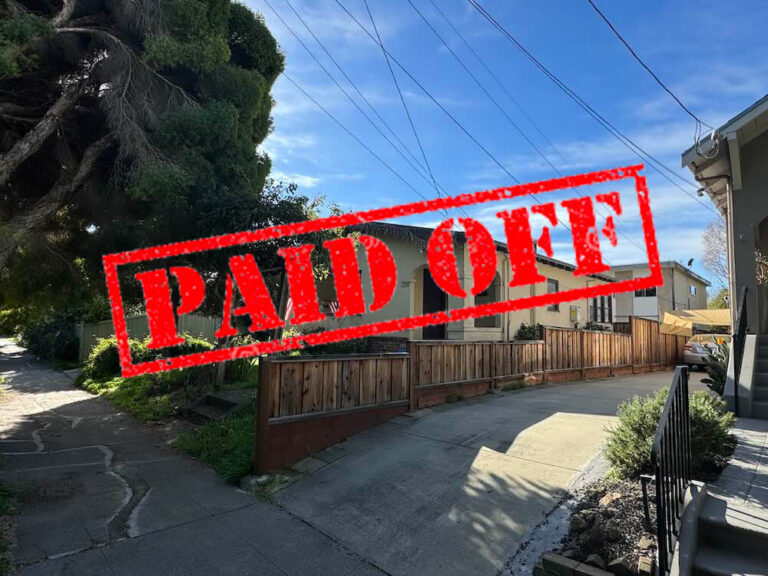
- A non-owner occupied single-family home in San Leandro (1,212 SF on a 5,357 SF lot)
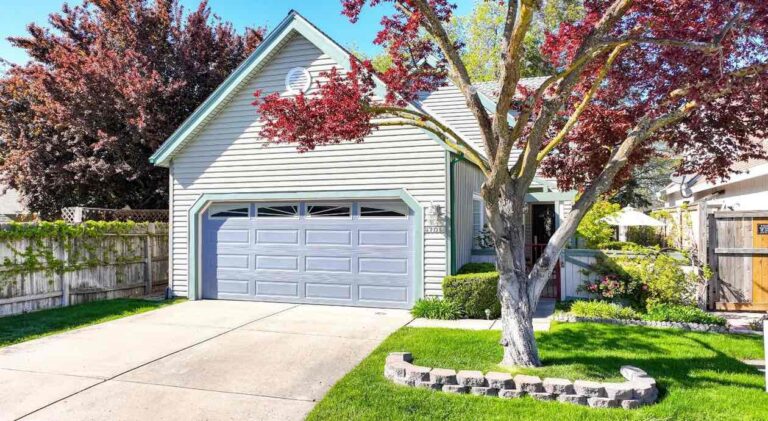
The borrower also offered a third property: a multifamily property in Grass Valley with approximately 74,000 SF of improvements on 3.9 acres, 100% occupied. This property is not part of the exchange and the borrower does not plan to sell it, but it strengthened the overall collateral position.
In total, four properties secure the loan. The borrower suggested adding the Grass Valley property, and RMF’s in-house team guided the borrower and broker through the mechanics of closing a cross collateral loan inside a reverse exchange alongside the exchange company.
The exit strategy
The borrower plans to sell the Alameda triplex and San Leandro single-family home within the exchange period, with the sale proceeds applied to pay down the loan. The loan remains secured by the income-producing Antioch Industrial Outdoor Storage property and the fully occupied Grass Valley multifamily property.
Why this structure worked
- Asset-based underwriting: RMF evaluated the real estate, not the newly formed entity’s financials
- Cross collateralization: four properties combined to support the loan amount the borrower needed
- In-house execution: underwriting, legal, and servicing handled internally, which helped coordinate the exchange company, broker, and borrower
- A defined exit plan: planned sales of the relinquished properties tied to loan paydown
Frequently asked questions
What is a cross collateral loan?
A cross collateral loan is a single loan secured by two or more properties. The combined value of the properties supports the loan, which can allow a borrower to access a larger loan amount than one property alone would support.
How does cross collateralization work in real estate?
The lender records a lien on each property pledged as collateral. When one of those properties is sold, the loan agreement typically requires a portion of the sale proceeds to pay down the loan before that lien is released. In this transaction, the borrower plans to sell the Alameda and San Leandro properties and apply the proceeds to the loan balance.
When does a cross collateral loan make sense?
Cross collateralization is often used when a borrower owns other real estate with equity and needs more loan proceeds than the acquisition property alone would support.
How long do you have to complete a Reverse 1031 Exchange?
Under IRS Revenue Procedure 2000-37, an investor generally has 45 days from the date the exchange accommodation titleholder acquires the replacement property to identify the relinquished property, and 180 days from that date to complete the sale and close the exchange.
What is an exchange accommodation titleholder?
An exchange accommodation titleholder (EAT) is an entity, typically formed by a qualified exchange company, that holds legal title to the replacement property during a Reverse 1031 Exchange so the investor does not own both properties at the same time.
Why is a Reverse 1031 Exchange harder to finance?
The replacement property is usually owned by a newly formed entity with no operating history, tax returns, or financial statements. Asset-based lenders, which underwrite primarily to the real estate, are often well positioned to finance these transactions.
Does Rubicon Mortgage Fund, LLC lend on industrial outdoor storage?
Yes. Rubicon Mortgage Fund, LLC provides asset-based commercial real estate loans in California on property types including industrial outdoor storage, industrial, multifamily, retail, and gas stations. Loan amounts range from $500K to $15M with terms from 6 to 24 months.
Work with Rubicon Mortgage Fund, LLC
Rubicon Mortgage Fund, LLC is a Lafayette, California-based private money lender providing short-term, asset-based commercial real estate financing. With in-house underwriting, servicing, and legal, RMF works with borrowers and brokers on complex transactions, including cross collateral loans, reverse exchanges, and specialty asset classes.
Have a multi-property or complex acquisition in the works? Contact our team to discuss your scenario.
To see more funded deals, click here!
To keep up with us, click here!