Retail Flex Acquisition Financing: How we Closed a 1031 Exchange Deal in Grass Valley
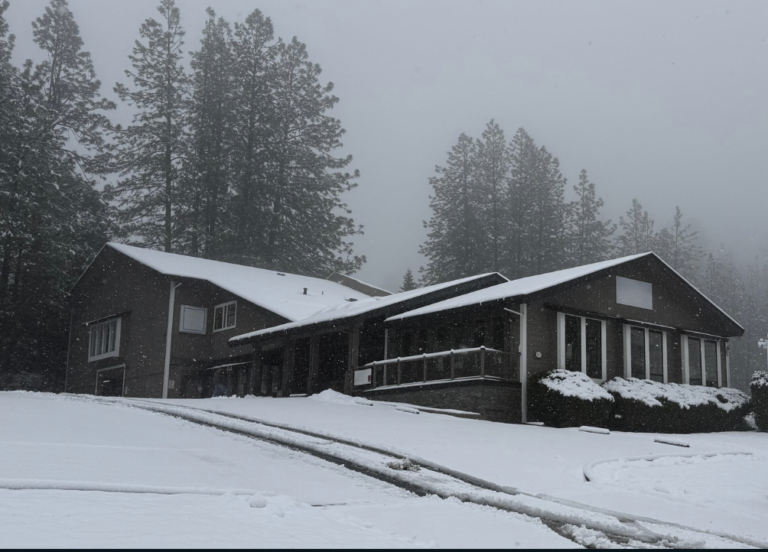
When a repeat borrower came to Rubicon Mortgage Fund, LLC needing to close a retail flex acquisition in under 21 days as part of a 1031 exchange, the path forward was clear. Strong financials, an attractive lease, and a track record of working together made this exactly the kind of deal Rubicon is built for. This case study walks through the transaction, the asset, and what made this a sound lending decision in a secondary California market.
What Is a Retail Flex Property?
Retail flex is a commercial property type that blends storefront retail space with warehouse or light industrial functionality behind it. These buildings typically feature a customer-facing entrance and showroom up front, with storage, distribution, or work space in the rear. They are practical, versatile, and well-suited to businesses that need both public access and operational space under one roof.
Retail flex properties are common in suburban and secondary markets where land is more affordable and businesses have room to operate. Tenants tend to be service-oriented local businesses: flooring companies, tile showrooms, building material suppliers, and similar trades that need to display product and store inventory in the same location.
For real estate investors, retail flex buildings offer a compelling combination of durable tenants and relatively low competition compared to urban core commercial assets. The tenant base tends to be sticky. These businesses invest in their space, build a local customer base, and do not relocate easily.
The Property and the Tenant
The subject property is a 6,500 square foot retail flex building located in the foothills outside Grass Valley, California, in the Nevada County region near the Sierra foothills. The building is occupied by a local tile and hardwood flooring business, a small family operation that has been serving the surrounding community for over three years.
The tenant profile here is exactly what you want to see in a retail flex investment. This is a business rooted in the local community, serving homeowners and contractors in the area who need to see product in person before they buy.
The lease was attractive, the tenancy was stable, and the location made sense for the nature of the business. For a retail flex deal, the fundamentals were about as clean as they come.
Why Secondary Markets Like Grass Valley Make Sense for Retail Flex
Secondary and tertiary markets in California often get overlooked in favor of coastal urban assets, but they carry real investment merit when the right property and tenant come together. Markets like Grass Valley and the broader Nevada County foothills have grown steadily as remote work and lifestyle migration have brought more residents to the Sierra Nevada region. Local service businesses serving those communities have followed.
For a retail flex investor focused on cash flow rather than appreciation, a secondary market can actually be an advantage. Purchase prices are lower, cap rates are generally more favorable, and competition for well-leased assets is less intense. The borrower in this transaction understood that dynamic well.
The Borrower and the Investment Strategy
This transaction completes a series of deals with the same family office, a repeat borrower with a clear and consistent investment philosophy. The strategy here was not complicated: acquire a well-leased retail flex building, hold it long term, and let the cash flow do its work. There was no play for a near-term sale or appreciation-driven exit. The borrower wanted income-producing real estate in a market they understood, with a tenant they believed in.
That kind of clarity is something Rubicon values when underwriting a deal. A borrower who knows exactly what they are buying and why they are buying it is a borrower who is going to manage the asset well.
The borrower’s financials were strong, and the equity in the deal was meaningful. This was not a stretch acquisition. It was a deliberate, well-structured add to an existing portfolio.
The 1031 Exchange and the 21-Day Close
The borrower was navigating a 1031 exchange, which meant the timeline was not flexible. Under the rules governing 1031 exchanges, a replacement property must be identified within 45 days of the sale of the relinquished property and the purchase of that property closed within 180 days. Missing either deadline eliminates the tax deferral benefit entirely, which can mean a significant and immediate capital gains tax event.
In this case, the close needed to happen in under 21 days. That is a tight window for any commercial real estate transaction, and it is precisely the kind of situation where working with an unknown or slow-moving lender is not an option.
The borrower came back to Rubicon Mortgage Fund, LLC because they had been through this before. They knew what to expect, they knew how Rubicon underwrites, and they knew the close would happen on time. Certainty of execution was the deciding factor, and Rubicon delivered.
As the broker put it: “We appreciate the straightforward approach Rubicon delivers. It is a piece of mind when clients are coming out of a 1031 exchange, and hard deadlines cannot be missed.”
The Exit Strategy
The borrower’s exit from the Rubicon loan is well-defined. The plan is to liquidate other assets to retire the debt, while holding the retail flex building long term as a cash-flowing piece of the portfolio. This is a clean, realistic exit that does not depend on refinancing conditions or a sale of the subject property. It reflects the borrower’s broader financial position and their commitment to owning this asset for the long run.
What Retail Flex Borrowers Should Look for in a Lender
If you are acquiring a retail flex property in California, the lender you choose needs to actually understand the asset class. Retail flex is not pure industrial and it is not pure retail. The tenant profile is different, the operational nature of the space is different, and the markets where these buildings tend to sit are different. A lender who has underwritten retail flex before will move faster, ask better questions, and get to a decision with more confidence than one treating it like a generic commercial deal.
Familiarity with secondary markets also matters. Many institutional lenders have geographic restrictions that effectively exclude markets like Grass Valley, Nevada County, or other foothill and inland California communities. Rubicon looks at the fundamentals of the deal, not just the zip code. A well-leased retail flex building with a stable local tenant in a secondary market can be a stronger credit than a marginal deal in a primary market.
What 1031 Exchange Borrowers Should Look for in a Lender
For borrowers navigating a 1031 exchange, the calculus shifts entirely to execution. Speed and certainty of close are not preferences, they are requirements. A lender who misses your exchange deadline is not a lender at all, regardless of how competitive their terms are. You need a lender with a track record of closing on time, a team that moves with urgency, and the experience to anticipate and work through issues before they become delays.
Relationship and consistency matter here too. Borrowers who do multiple transactions over time benefit from working with a lender who already knows their financial profile and investment approach. That familiarity shortens every subsequent deal and removes the uncertainty that comes with starting from scratch with someone new.
What Makes Rubicon Mortgage Fund, LLC Different
Rubicon Mortgage Fund, LLC is a top California-based private real estate lender specializing in bridge loans on commercial and investment properties, including retail flex, industrial, mixed-use, and other income-producing asset types. Rubicon underwrites each transaction with genuine rigor, evaluating the asset, the borrower, the lease, and the market before committing capital.
This transaction is a good example of what Rubicon does well. The deal involved a secondary market, a time-sensitive 1031 exchange, and a repeat borrower with a long-term hold strategy. None of those factors are unusual in the world of California commercial real estate. What is unusual is having a lending partner who can handle all of them at once and close in under three weeks.
That is the standard Rubicon holds itself to on every transaction.
Conclusion: A Clean Deal Done Right
This retail flex acquisition in the Grass Valley, CA closed because the fundamentals were strong and the right parties were at the table. The borrower brought experience, equity, and a clear investment thesis. The tenant brought stability and community roots. And Rubicon Mortgage Fund, LLC brought the capital, the underwriting, and the execution to get it done on time.
For investors and brokers working retail flex acquisitions in California, whether in secondary markets, under 1031 exchange timelines, or both, Rubicon Mortgage Fund, LLC is built for exactly these situations.
Looking for Retail Flex Financing in California?
Rubicon Mortgage Fund, LLC specializes in commercial bridge loans across California with deep experience in retail flex, industrial, and mixed-use acquisitions. If you are navigating a 1031 exchange or need a lender who understands secondary markets, we welcome the conversation.
Contact RMF today to discuss your retail flex loan needs.
To see more funded deals, click here!
To keep up with us, click here!