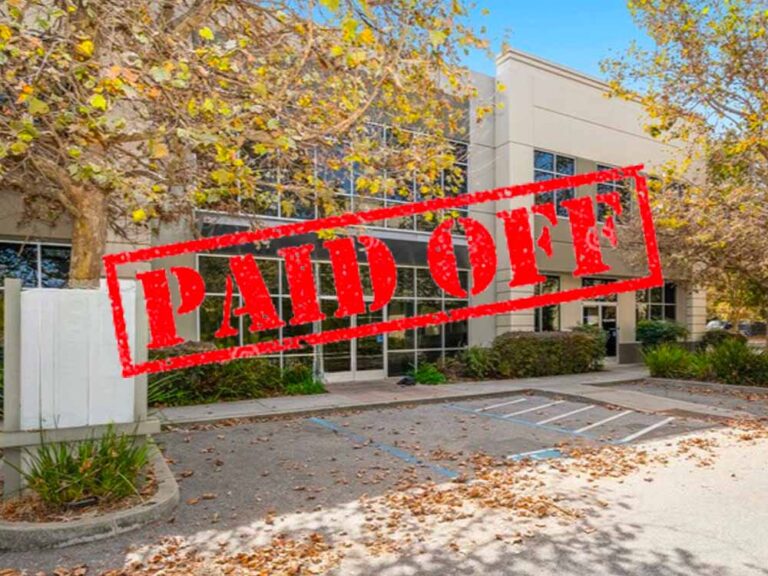
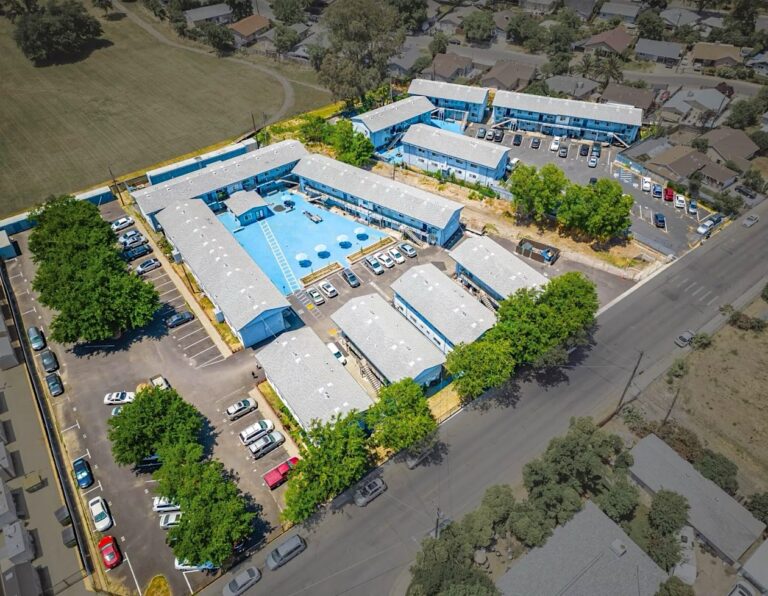
Reverse 1031 Exchange Financing: How Three Properties Secured a $1,340,000 Danville Home Ahead of Two San Ramon Sales
In short
Seasoned real estate investors wanted to consolidate two San Ramon investment properties into one newly built single-family home in Danville, California, using a Reverse 1031 Exchange. Because the replacement property had to be purchased before the San Ramon properties sold, the investors needed Reverse 1031 Exchange Financing from a lender comfortable with a short hold inside an Exchange Structure. After a referral from a well-established Bay Area 1031 Exchange Company, Rubicon Mortgage Fund, LLC provided a $1,340,000 loan secured by the Danville home and both San Ramon properties. Crossing all three properties gave Rubicon Mortgage Fund, LLC the equity position to fund the acquisition, and the investors plan to pay the loan down from the San Ramon sales and refinance the remaining balance with a conventional lender.
Loan highlights
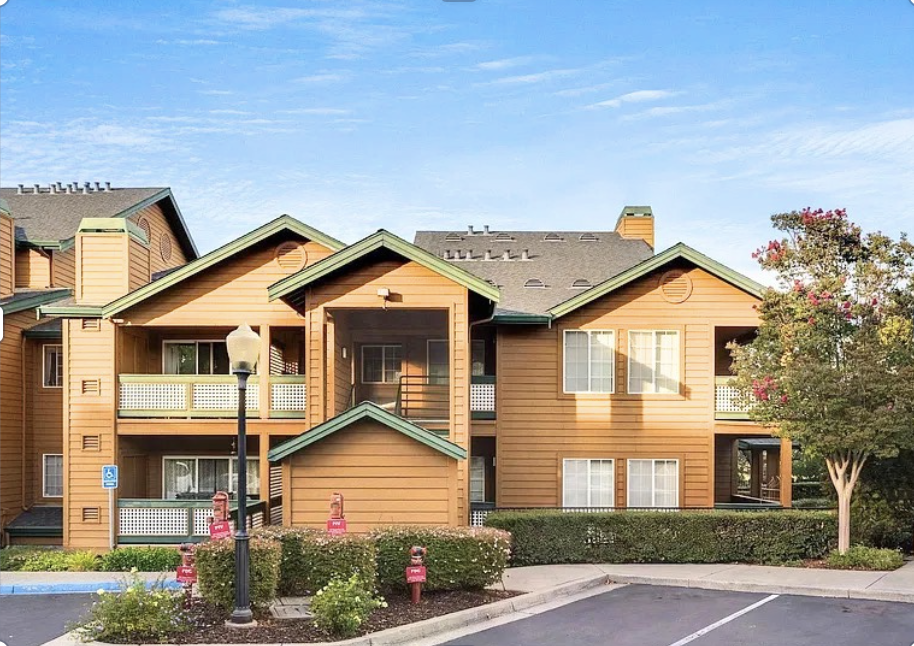
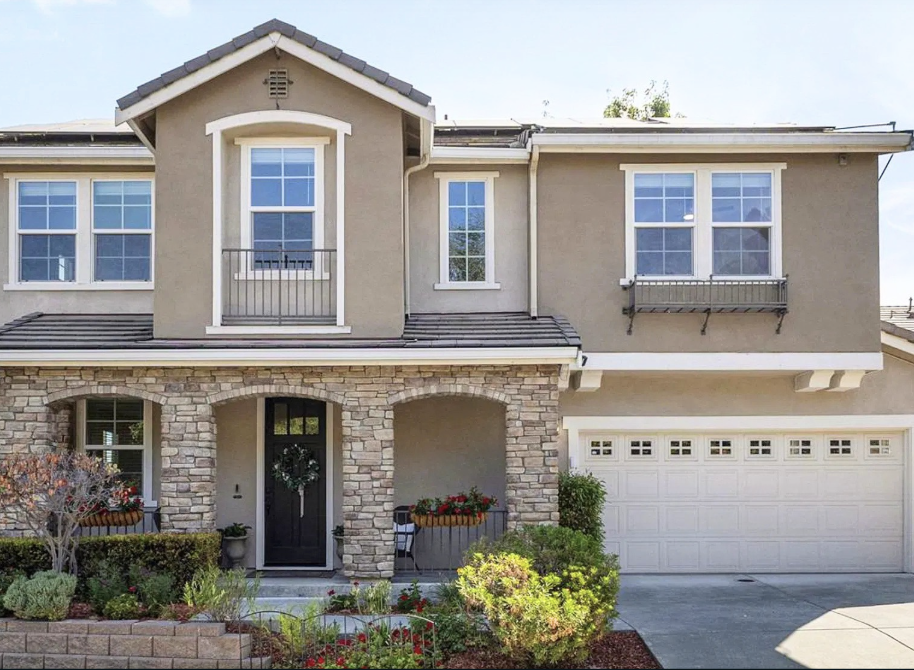
Rubicon Mortgage Fund, LLC funded a $1,340,000 loan to acquire a newly built single-family investment property in Danville, CA, with 1,690 square feet of living space on a 2,613 square foot lot. The loan is secured by three properties: the Danville replacement home and two San Ramon investment properties, a townhome and a second residence, that together are expected to sell for approximately $1.3 million. The purchase was structured as a Reverse 1031 Exchange, and the exit is the sale of the two San Ramon properties followed by a refinance of the small remaining balance with a conventional lender.
What is a Reverse 1031 Exchange?
In a standard 1031 Exchange, an investor sells a property first and then buys a replacement. A Reverse 1031 Exchange flips that order: the investor acquires the replacement property first and sells the relinquished property afterward.
Because the investor cannot hold both the old and new property in their own name at the same time within the Exchange, the replacement property is typically “parked” with an Exchange Accommodation Titleholder (EAT), a single-purpose entity formed by a qualified Exchange Company, often called the accommodator. Under the IRS safe harbor in Revenue Procedure 2000-37, the investor generally has:
- 45 days from the date the EAT acquires the replacement property to identify the property (or properties) being relinquished
- 180 days from that same date to complete the sale of the relinquished property and close out the Exchange
Investors often use a Reverse Exchange when the right replacement property becomes available before their existing properties are ready to sell.
Rubicon Mortgage Fund, LLC does not provide tax or legal advice. Investors should consult a qualified intermediary, tax advisor, and attorney before structuring any 1031 Exchange.
The borrowers and their plan
The borrowers are experienced investors who hold several properties. Their goal was to sell two San Ramon investment properties and roll the equity into a single newly built home in Danville, simplifying their holdings while keeping the investment working for them.
Both San Ramon properties carried modest loan balances relative to their value. Once the two sales close, the investors expect to carry only a small balance on the Danville home, positioning them to own their new investment property with substantial equity.
The challenge: why Reverse 1031 Exchange Financing is different
The loan officer initially pursued conventional financing. Conventional loan programs are built for long-term ownership with standard title and borrower structures, while a Reverse Exchange involves an accommodator holding title, a defined Exchange Timeline, and a loan expected to be outstanding for only a few months. That combination is generally outside the scope of a conventional program.
For Reverse 1031 Exchange Financing, the investors needed a lender that underwrites to the real estate and is familiar with how Exchanges work. The 1031 Exchange Company handling the transaction, a Bay Area firm with roughly 40 years in the business, referred them to Rubicon Mortgage Fund, LLC.
The solution: three properties securing one loan
Asset-based underwriting. Rubicon Mortgage Fund, LLC is an asset-based lender, so the loan decision rested on the strength and location of the real estate. All three properties are in A locations in Danville and San Ramon, areas that are great for new family starter homes.
Cross collateralization. Rather than relying on the Danville home alone, Rubicon Mortgage Fund, LLC secured the loan with the replacement property and both San Ramon properties. The combined equity across all three gave Rubicon Mortgage Fund, LLC the position to fund the full acquisition.
Coordinating four parties. A Reverse Exchange brings together four separate companies: the Exchange Accommodator, the title company, the insurance provider, and the lender. Rubicon Mortgage Fund, LLC’s in-house underwriting, legal, and servicing teams worked alongside the Exchange Company to keep the transaction aligned with the Exchange Requirements through closing. This was not a simple file. It took a lender familiar with Exchange Mechanics to navigate the details and get the Reverse Exchange completed successfully.
The exit strategy
The investors plan to sell the two San Ramon properties, apply the proceeds to pay the loan down, and refinance the remaining balance with a conventional lender once the Exchange is complete.
The San Ramon properties are expected to sell quickly given their entry price into the San Ramon school district. One of the two properties has already sold, and the second is listed.
Why this structure worked
- Asset-based underwriting: the loan was evaluated on the real estate and its location
- Cross collateralization: three properties combined to support the loan amount the investors needed
- Exchange Experience: Rubicon Mortgage Fund, LLC works with 1031 Exchange Companies and understands how an accommodator-held purchase closes
- A defined exit: planned sales of the relinquished properties, followed by a conventional refinance
Frequently asked questions
What is Reverse 1031 Exchange Financing?
Reverse 1031 Exchange Financing is a loan used to purchase the replacement property before the investor’s existing property sells. The loan is typically made while an Exchange Accommodation Titleholder holds title to the property, and it is usually repaid once the investor sells the relinquished property.
Why can Reverse 1031 Exchange Financing be difficult to find?
The replacement property is held by an accommodator rather than the investor, the Exchange runs on a fixed timeline, and the loan is often expected to be repaid within months. Conventional loan programs are generally designed for long-term ownership, so investors often turn to an asset-based private lender for this step.
Who is involved in a Reverse 1031 Exchange?
A typical Reverse Exchange involves the investor plus four separate companies: the Exchange Accommodator (qualified intermediary), the title company, the insurance provider, and the lender.
How long do you have to complete a Reverse 1031 Exchange?
Under IRS Revenue Procedure 2000-37, an investor generally has 45 days from the date the Exchange Accommodation Titleholder acquires the replacement property to identify the relinquished property, and 180 days from that date to complete the sale and close the Exchange.
Can other properties be used as collateral in a Reverse Exchange?
Yes. In this transaction, the two San Ramon properties being sold were added as collateral alongside the Danville replacement home. Cross collateralization can allow a lender to offer a larger loan amount than the replacement property alone would support.
What happens after the relinquished properties sell?
Sale proceeds are applied to pay down the loan. Here, the investors plan to refinance the remaining balance with a conventional lender after the Exchange is complete.
Does Rubicon Mortgage Fund, LLC provide Reverse 1031 Exchange Financing?
Yes. Rubicon Mortgage Fund, LLC provides short-term, asset-based commercial real estate loans in California, including Reverse 1031 Exchange Financing and loans for forward Exchanges. Loan amounts range from $500K to $15M with terms from 6 to 24 months.
Work with Rubicon Mortgage Fund, LLC
Rubicon Mortgage Fund, LLC is a Lafayette, California-based private money lender providing short-term, asset-based commercial real estate financing. With in-house underwriting, servicing, and legal, Rubicon Mortgage Fund, LLC works with investors, brokers, and Exchange Companies on complex transactions, including Reverse 1031 Exchange Financing and multi-property loans.
Need Reverse 1031 Exchange Financing to close on your replacement property first? Contact our team or call (925) 283-8919 to discuss your scenario.
To see more funded deals, click here!
To keep up with us, click here!